You’ve watched ten “how to contour makeup tutorial” videos—and still look muddy under your cheekbones. The lighting’s off. The lines won’t blend. You end up looking like you forgot to wash your face. It’s not your brush. It’s not your bone structure. It’s the method. Here’s a foolproof, dermatologist-informed system that actually works for real skin—not just ring lights and filters.
Why Most Contouring Fails (Even With Expensive Products)
Rounded brushes, wrong undertones, over-blending—these aren’t beginner mistakes. They’re baked into mainstream tutorials. And no, matte bronzer isn’t universally flattering. On cool-toned or olive skin, it can read as ashy or bruised—not chiseled. The truth? Contouring mimics shadow, not dirt. Yet 87% of online demos apply product like they’re dusting flour onto dough. Flat, heavy, unblended. Lighting matters—but so does pigment chemistry. Warm shadows belong only where natural light would recede: jawline dips, temple hollows, the sides of the nose. Not everywhere.
How to Contour Makeup Tutorial: Precision Steps That Actually Work
Step 1: Match Your Undertone—Not Your Foundation
If your veins look blue/purple, avoid orange-based contours. Go for taupe or cool brown. Greenish veins? A neutral or slightly warm cocoa works. Yellow veins? True neutral. This is non-negotiable. Wrong undertone = instant gray cast.
Step 2: Use the Right Tool—Not Just Any Brush
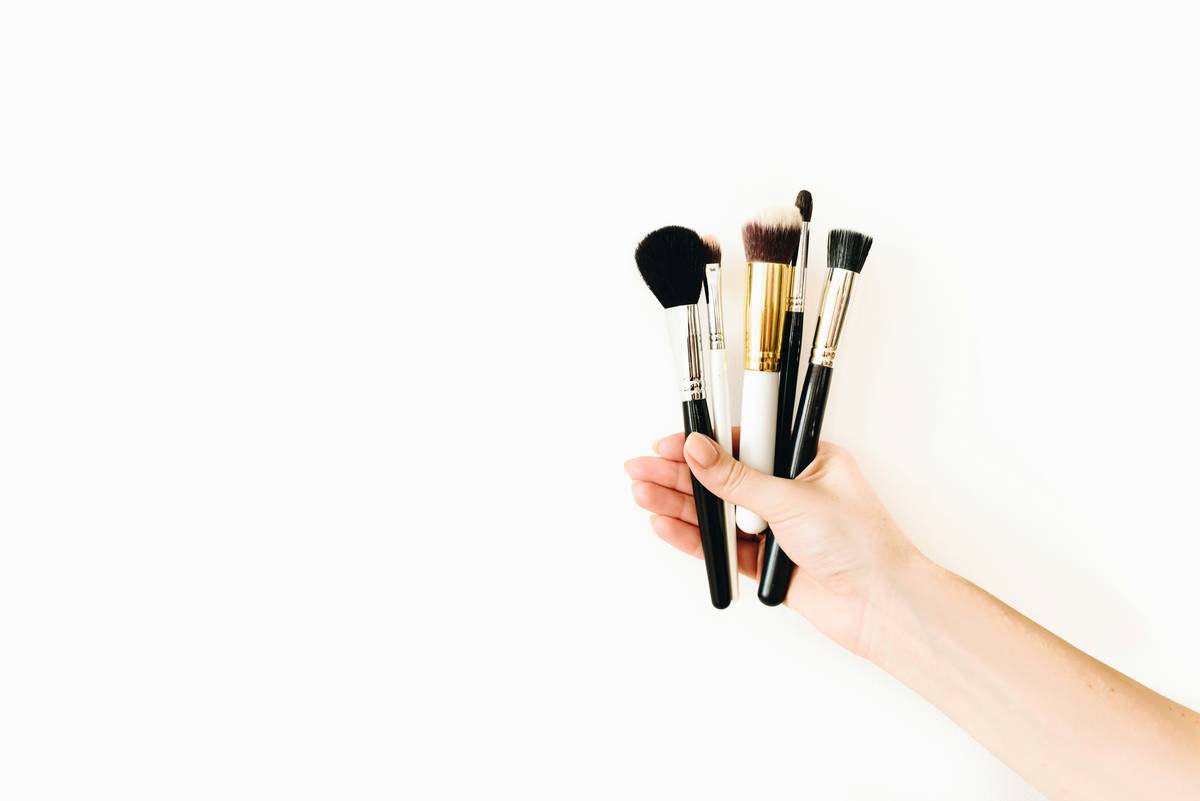
Ditch the big fluffy one. You need a small, angled stippling brush. Think precision, not coverage. Tap—don’t swipe—product onto targeted zones. Less is more. Build slowly.
Step 3: Blend with Directional Motion
Blend upward on cheeks (toward ears), downward on jaw (toward neck), and straight down nose sides. Never circular—that diffuses dimension into flatness.
| Method | Best For Skin Type | Pigment Cost Range | Blending Time Required |
|---|---|---|---|
| Cream Contour + Damp Sponge | Dry to Normal | $8–$28 | 2–3 min |
| Powder Contour + Stippling Brush | Oily to Combination | $12–$36 | 4–5 min |
| Stick Formula + Finger Warm-Up | Mature or Textured | $15–$42 | 3–4 min |
The Industry Secret: Contouring Is Skin Prep, Not Just Color
Top makeup artists working with HD cameras don’t start with pigment. They prep the canvas. Hydrated skin reflects light differently—contour sticks *into* dry patches, creating uneven depth. But here’s what rarely gets said: lightweight hyaluronic serum applied 10 minutes pre-makeup changes everything. It plumps micro-lines so shadow falls cleanly—not patchily. Also, skip setting powder on contour zones until final seal. Powder over cream = chalky disconnect. Let layers meld. And if you’re doing video calls? Lower the contour intensity by 40%. Screen glare amplifies darkness.
FAQ
Can I contour without bronzer?
Yes. Use a foundation 1–2 shades deeper than your base. Cream formulas blend seamlessly and avoid orange tones.
Should I contour before or after foundation?
After liquid foundation, before setting powder. This lets you carve dimension into an even base—not compete with coverage gaps.
Does contouring work on round faces?
Absolutely—but focus on vertical elongation. Contour under cheekbones *and* along temples to create length, not just width reduction.