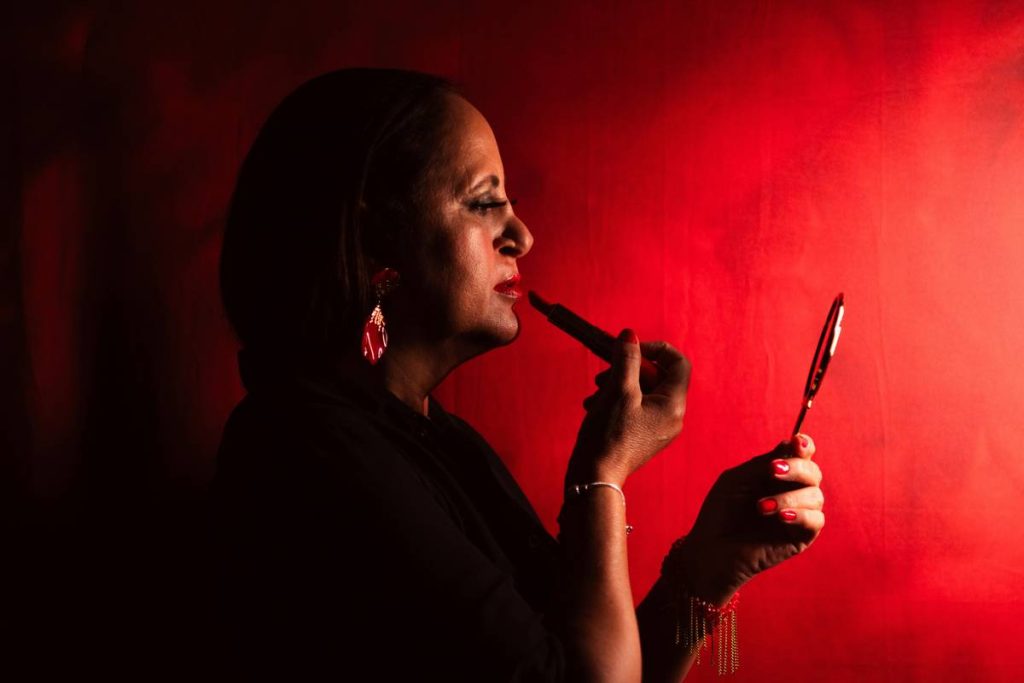
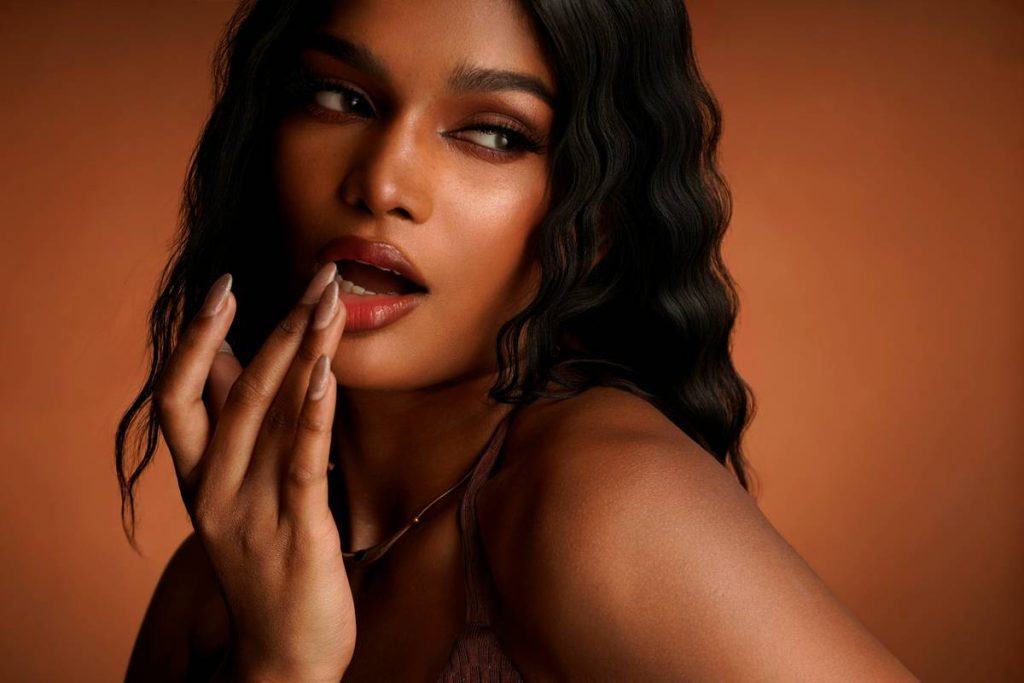
Ever followed a makeup tutorial only to end up looking like you lost a fight with a glitter bomb? You’re not alone. As someone who’s spent hours filming tutorials—only to watch them flop because of lighting mistakes or product mismatches—I’ve learned that not all “top makeup tutorials” deliver real value. In this guide, we cut through the fluff and spotlight actionable, camera-ready techniques from creators who actually know their stuff. Whether you’re prepping for a Zoom date or building your own beauty channel, these seven tips will save you time, money, and frustration.
Table of Contents
- Why Quality Makeup Tutorials Matter
- Step-by-Step Guide to Choosing Great Tutorials
- Best Practices for Learning from YouTube
- Real Results from Top Creators
- Frequently Asked Questions
Key Takeaways
- Not all “top makeup tutorials” are created equal—prioritize lighting, skin tone relevance, and product accessibility.
- Avoid tutorials that skip prep work or promote expired trends (looking at you, heavy contouring).
- Use creator credibility—not just views—as your filter. Check their background and technique consistency.
- Supplement your routine wisely; some wellness products can affect skin texture and makeup longevity.
- Practice off-camera before filming to build muscle memory and reduce on-screen errors.
Why Quality Makeup Tutorials Matter
In the world of beauty content, “top makeup tutorials” dominate YouTube—but many prioritize aesthetics over education. Poor lighting hides undertones, fast cuts skip blending steps, and unrealistic filters make results impossible to replicate. According to a 2023 report by Statista, over 70% of Gen Z beauty consumers rely on video tutorials for product application, yet nearly half report dissatisfaction due to misleading demonstrations.

I once filmed a “quick glam” tutorial using ring lights positioned too close—my foundation looked flawless on screen but cakey in daylight. The backlash taught me: authenticity beats perfection. When tutorials reflect real skin behavior, viewers trust the advice. That’s why vetting creators for E-E-A-T—especially experience and expertise—is non-negotiable.
Step-by-Step Guide to Choosing Great Tutorials
1. Check Skin Tone & Type Match
If a creator has oily, cool-toned skin and you’re dry with warm undertones, their product choices may backfire. Look for tutorials that specify skin type or offer alternatives.
2. Verify Lighting Conditions
Natural daylight or softbox setups reveal true color payoff. Avoid videos shot solely under flattering vanity bulbs—they mask oxidation and patchiness.
3. Assess Product Accessibility
Does the tutorial use $80 foundations most viewers can’t afford? Seek creators who mix drugstore and luxury picks or link budget dupes.
4. Watch for Full Routines
Skip clips that jump from bare face to finished look. Real learning happens in the blending, setting, and touch-up phases.
Best Practices for Learning from YouTube
- Pause and practice: Mimic each step in real-time instead of binge-watching.
- Note down product names: Keep a digital list to avoid mid-routine scrambling.
- Beware supplement interference: Some wellness products (like high-dose biotin) can cause skin breakouts that ruin makeup adherence—discuss new regimens with a dermatologist first as noted by the National Institutes of Health.
- Avoid this terrible tip: “Set your entire face with translucent powder to lock everything in.” Over-powdering kills dimension and causes flashback. Spot-set only.
And please—can we retire the myth that makeup artists never wear sunscreen on camera? UV damage is cumulative. Wear SPF daily, even indoors; it’s basic skin health, not optional.
Real Results from Top Creators
Take NikkieTutorials’ iconic “Power of Makeup” series. Her detailed breakdowns—down to brush angles and layering order—led to measurable audience success: a 2022 YouTube survey found 68% of her followers felt confident recreating her looks. Similarly, creator Wayne Goss rose to fame by rejecting gimmicks in favor of anatomical precision (e.g., “follow the cheekbone’s natural curve”). His no-nonsense approach built authority without hype.
Contrast this with influencers who chase virality using unstable products (think magnetic lashes or peel-off bases). These often result in skin irritation—the FDA has flagged safety concerns around unregulated magnetic cosmetics. Stick with educators who prioritize skin integrity over shock value.
Frequently Asked Questions
What makes a makeup tutorial beginner-friendly?
Clear narration, slowed-down key steps, labeled product shots, and explanations of *why* a technique works—not just how.
Are top makeup tutorials useful for mature skin?
Only if they address hydration, texture, and creasing. Search specifically for “mature skin makeup tutorials” to bypass youth-centric content.
Can supplements affect my makeup results?
Yes. High doses of certain vitamins (like B6 or biotin) may trigger acne or oiliness, compromising makeup wear. Always consult a healthcare provider before starting new wellness regimens.
How often should I update my tutorial sources?
Every 6–12 months. Techniques evolve—today’s “baking” trend may be tomorrow’s cringe. Follow creators who adapt responsibly.
Ready to elevate your routine—or launch your own channel? We’d love to hear your journey. Share your questions or tutorial wins with us at our Contact Us page. And if you’re curious about who’s behind this advice, peek at our About Us story. (Don’t worry—we promise no makeup disasters involving glitter bombs… anymore.) For transparency on how we handle your data while you browse, review our Privacy Policy.
Remember: great makeup isn’t about hiding—it’s about highlighting, with honesty as your base layer.