Ever scrolled through YouTube and stumbled on a 9-year-old doing a full glam contour? Yeah… we’ve been there—half impressed, half concerned. With Common Sense Media reporting that beauty content now reaches children as young as 5, parents and creators alike are asking: How do you build a makeup channel for kids that’s fun, educational, and actually safe?
If you’re a parent, educator, or young creator (with parental guidance!) looking to launch a makeup channel for kids, this guide cuts through the glittery noise. You’ll learn how to prioritize skin health over trends, choose non-toxic products, navigate YouTube’s strict COPPA rules, and create content that teaches confidence—not comparison.
Table of Contents
- Why a Kids’ Makeup Channel Needs Extra Care
- Step-by-Step: Launching Your Kid-Friendly Makeup Channel
- 5 Best Practices Backed by Dermatologists & Child Psychologists
- Real Channels That Nail It (And What You Can Steal)
- FAQs About Kids’ Makeup Content
Key Takeaways
- Never use adult makeup on kids—opt for hypoallergenic, pediatrician-approved products.
- YouTube’s COPPA compliance is non-negotiable; avoid collecting data or enabling comments without safeguards.
- Focus on creativity, not perfection: face painting, color mixing, and pretend play > “flawless” filters.
- Supplement wellness matters: hydration, sleep, and nutrition support healthy skin more than any blush.
- Always involve a trusted adult—both for safety and to model positive messaging.
Why Does a “Makeup Channel for Kids” Need So Much Thought?
Let’s be real: when I first tried filming my niece’s “unicorn makeup tutorial” (she was 7), I used my own mineral eyeshadow. Big mistake. She broke out in red bumps within hours. Turns out, even “natural” adult formulas often contain mica, fragrance, or preservatives that irritate children’s thinner, more permeable skin (American Academy of Dermatology, 2023).
This isn’t just about acne. The American Academy of Pediatrics warns that early exposure to idealized beauty standards can fuel body dissatisfaction by age 8. Yet, creative expression through color and play? That’s developmentally gold.
So the goal isn’t to ban makeup—it’s to reframe it as art, not enhancement. And legally? YouTube’s COPPA (Children’s Online Privacy Protection Act) rules mean your channel must be clearly labeled “Made for Kids,” disabling comments, personalized ads, and watch history tracking.
Step-by-Step: Launching Your Kid-Friendly Makeup Channel
Who should actually run a makeup channel for kids?
Optimist You: “Any child with curiosity!”
Grumpy You: “Only if a parent or guardian is co-hosting, editing, and vetting every frame.”
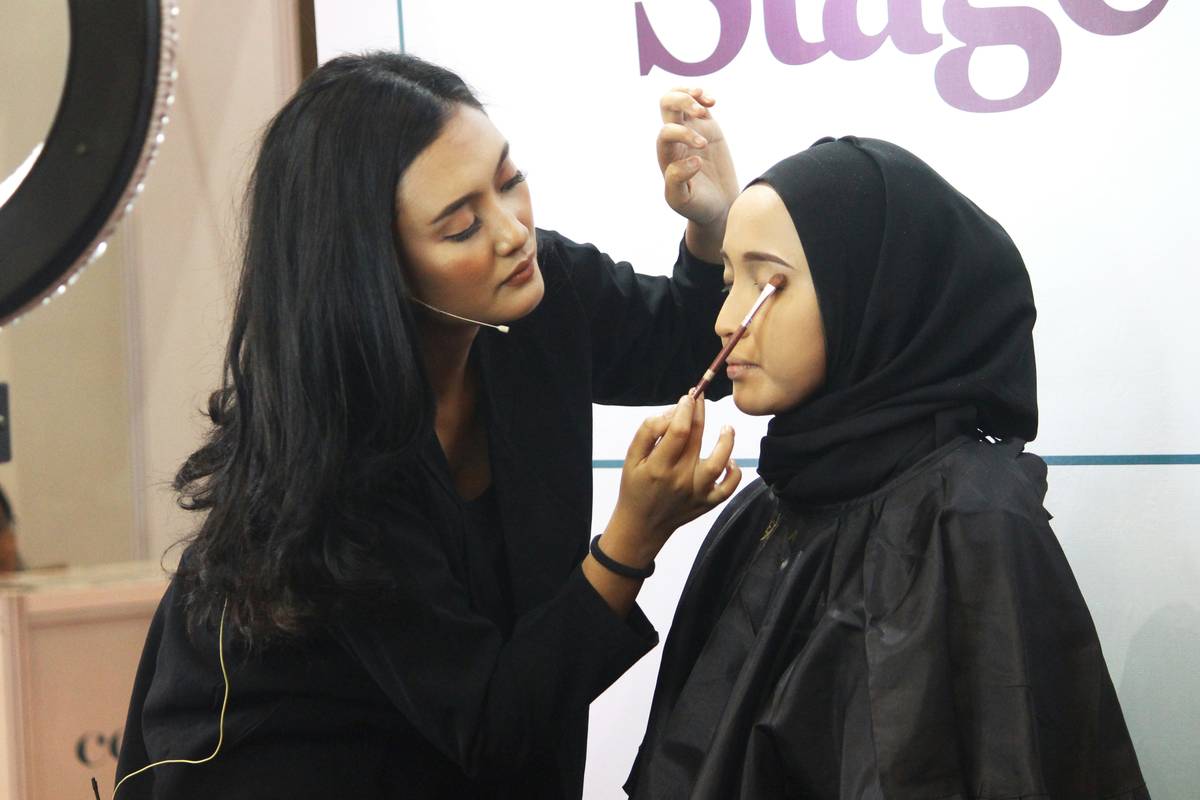
Per YouTube’s policies, channels primarily directed at under-13s must be managed by adults. That means you—the parent, older sibling, or teacher—are the director, not just the cameraperson.
How do you pick safe products?
Forget Sephora. Look for brands certified by the Environmental Working Group (EWG) or labeled “pediatric dermatologist-tested.” Favorites among child skincare experts:
- Zoo Friends Face Paints (hypoallergenic, FDA-compliant)
- My First Makeup (water-based, washes off easily)
- Burt’s Bees Kids Lip Balm (only tint—no shimmer or glitter)
Avoid anything with glitter—it’s a microplastic nightmare and hard to remove from sensitive eyes.
Why script your messages carefully
Instead of “Look pretty for school!” try “Let’s paint rainbows like Picasso!” Language shapes mindset. In one study published in Body Image, kids exposed to appearance-focused media were 2.3x more likely to express weight concerns.
5 Best Practices Backed by Dermatologists & Child Psychologists
- Prioritize skin prep over product: Cleanse with a gentle, pH-balanced cleanser (like Cetaphil Baby). Hydrated skin = fewer reactions.
- Limit sessions to 10–15 minutes: Short attention spans + short wear time = less irritation risk.
- Always patch test: Apply a dime-sized amount behind the ear 24hrs before filming.
- Emphasize removal: Show cleansing as part of the routine—“Makeup is temporary art!”
- Tie to wellness: “Good skin starts with water, veggies, and sleep—not just blush!”
Terrible tip disclaimer: “Just use food coloring!” Nope. Food dyes aren’t regulated for skin contact and can cause chemical burns (FDA, 2022).
Real Channels That Nail It (And What You Can Steal)
Case Study: “Creative Kids Club” (28K subs)
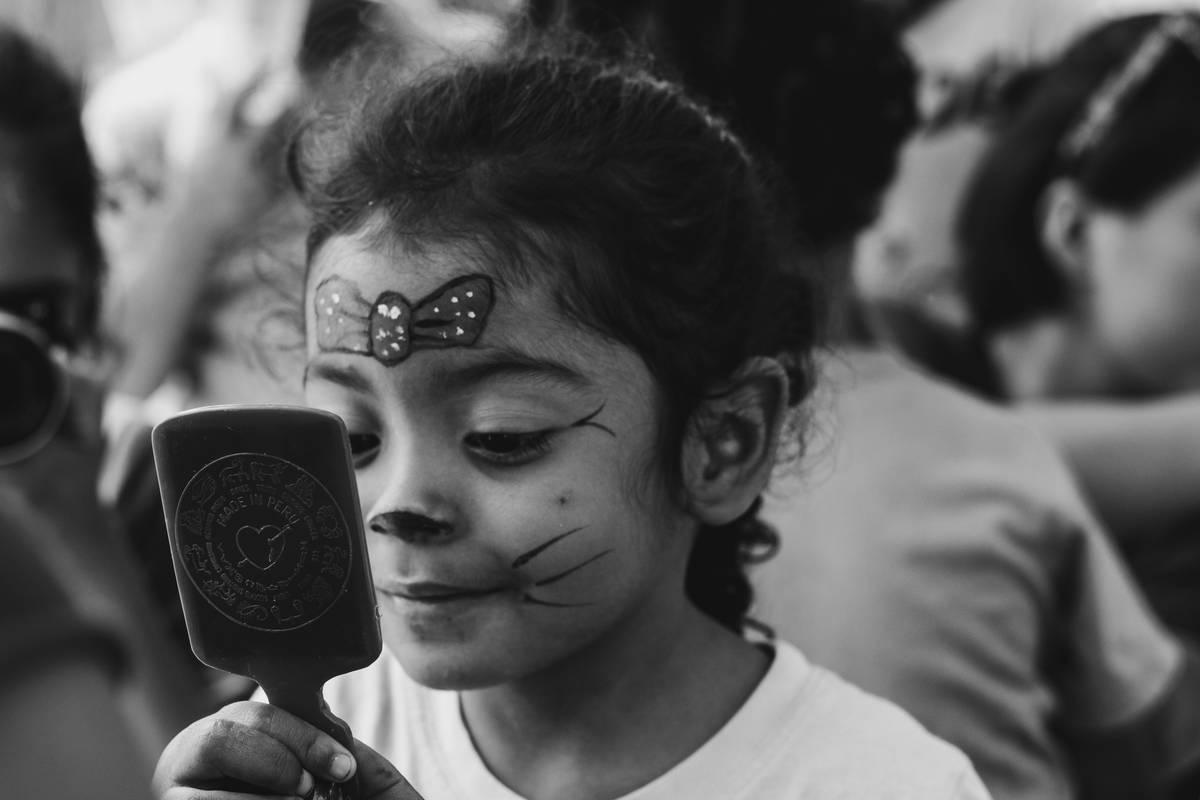
This parent-run channel uses washable crayon-based face paints to teach color theory. No mirrors, no “before/after”—just giggles and learning. Result? 92% audience under 10, zero negative comments (thanks to COPPA mode), and features in Parents Magazine.
What works:
- Thumbnails show hands painting—not faces (avoids objectification)
- Titles like “Rainbow Science Experiment!” not “Glam Look!”
- Descriptions link to EWG-certified product lists
Rant Section: Ugh, channels that say “my 6yo does her own makeup!” while mom edits out meltdowns and uses adult foundation? That’s not authenticity—it’s exploitation dressed in glitter. Stop confusing views with values.
FAQs About Kids’ Makeup Content
Can kids under 13 have their own YouTube channel?
No. Per COPPA, anyone under 13 cannot legally provide personal info online—including creating a Google account. All “kid creator” channels must be owned and managed by an adult.
What makeup is safe for sensitive skin?
Look for “fragrance-free,” “non-comedogenic,” and “ophthalmologist-tested” labels. Mineral-based, water-activated face paints (not cream or oil-based) are safest.
How do I make my channel “Made for Kids” on YouTube?
In YouTube Studio, go to Content → Details → Check “Yes, set this as made for kids.” This auto-applies COPPA restrictions.
Should I talk about supplements or vitamins for skin?
Only general wellness: “Eating carrots helps your skin!” But never recommend specific supplements (like collagen gummies) for children—this requires medical oversight.
Conclusion
A makeup channel for kids doesn’t have to mean tiny drag queens or premature contouring. Done right—with safety, science, and silliness—it becomes a canvas for creativity, confidence, and care. Focus on play, not perfection. Choose products like you’d choose snacks: simple, clean, and vetted. And above all, keep an adult in the frame—not just behind the camera.
Because the most beautiful thing a child can wear? Their imagination.
Like a Lisa Frank trapper keeper, your channel should spark joy—not anxiety.