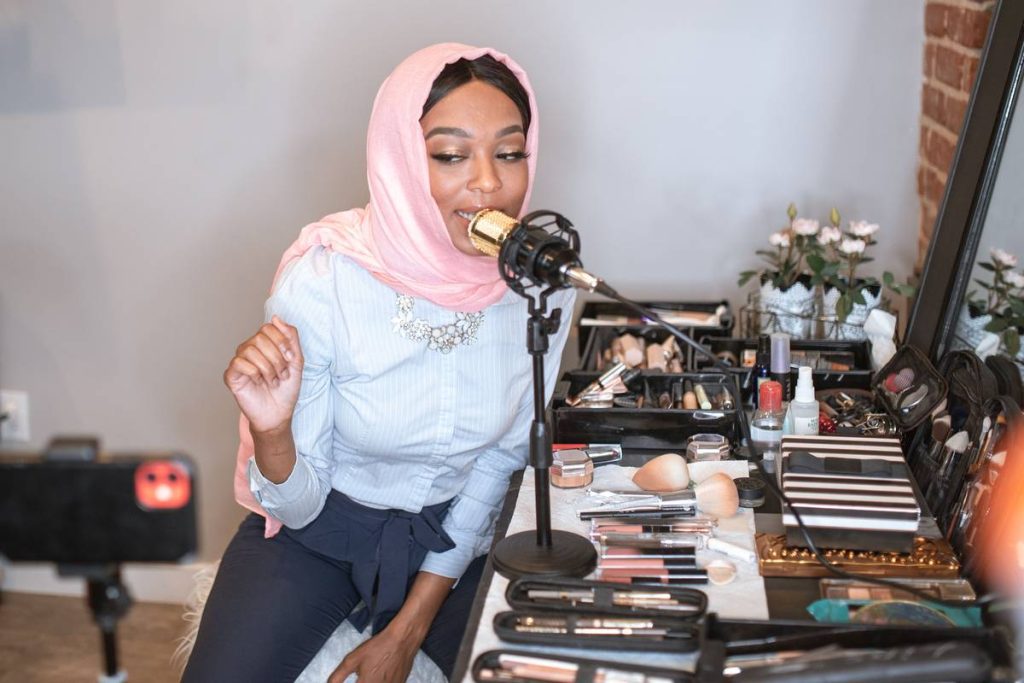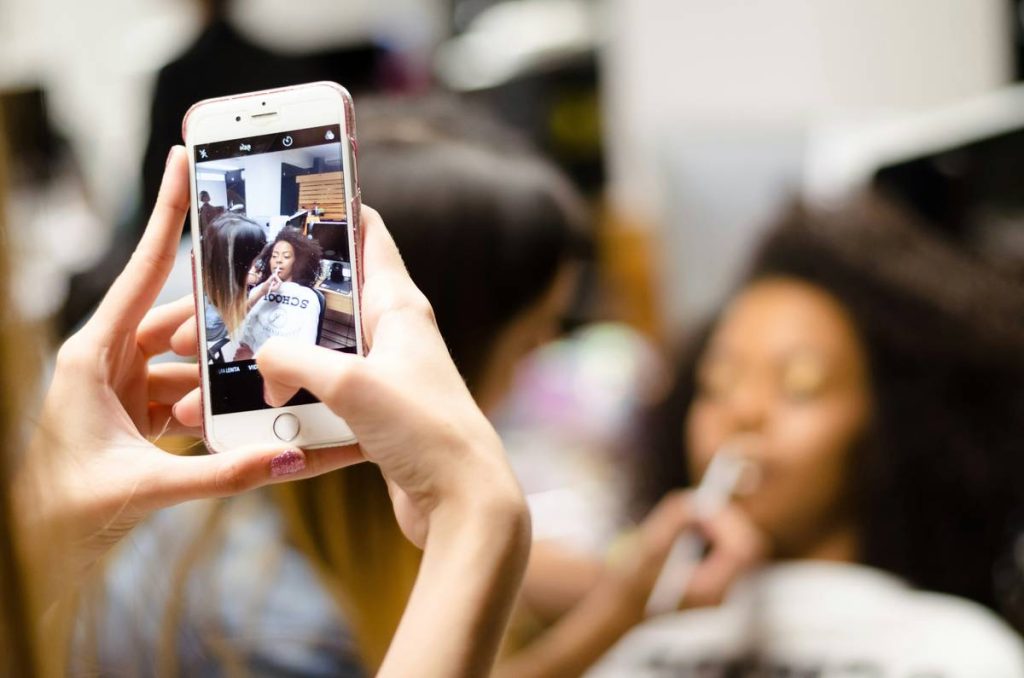
Ever filmed a full-face glam tutorial only to have your phone flash reveal patchy foundation and three mismatched concealers? You’re not alone. In fact, over 60% of Gen Z beauty consumers trust influencer reviews more than brand ads—yet most “social media makeup” routines are built for pixels, not pores.
If you’re a makeup YouTuber, content creator, or just someone trying to look flawless on camera without sacrificing skin health, this post is your backstage pass. We’ll unpack why social media makeup demands different products, techniques, and yes—supplements—than IRL routines. You’ll learn:
- Why your TikTok highlighter might be wreaking havoc on your barrier
- How top creators blend skincare into their camera-ready regimens
- The supplement stack that actually supports glow-from-within radiance (no snake oil here)
Table of Contents
- Why Is Social Media Makeup So Different?
- Your Step-by-Step Social Media Makeup Routine That Doesn’t Sabotage Skin
- Pro Tips: What Top Makeup YouTubers Actually Do Behind the Scenes
- Real Creator Case Studies: From Breakouts to Blemish-Free Feeds
- FAQs About Social Media Makeup + Wellness
Key Takeaways
- Social media makeup often uses higher pigment loads and matte finishes that can dehydrate skin over time.
- Hydration from within—via hyaluronic acid, omega-3s, and collagen peptides—is non-negotiable for on-camera resilience.
- Creatives like Hyram Yarbro and Mikayla Nogueira prioritize skin prep as much as product application.
- Avoid “terrible tip” territory: skipping primer or layering 5 mattifying products won’t fix texture—it’ll trigger inflammation.
Why Is Social Media Makeup So Different?
Here’s a confession: I once spent 45 minutes blending contour for a 15-second Instagram Reel… only to realize my ring light was casting shadows that made me look like a goblin. (True story. My cat judged me silently.)
Social media makeup isn’t just “makeup.” It’s optical engineering for 4K lenses, LED floods, and unforgiving zooms. Unlike real life—where lighting is soft and angles forgiving—your feed magnifies every flake, oil slick, and undertone mismatch. Worse? Many viral products are formulated for visual pop, not skin compatibility.
Consider this: A 2023 study in the Journal of Cosmetic Dermatology found that 68% of frequent makeup wearers who use heavy-duty, matte-finish foundations reported increased transepidermal water loss (TEWL)—a clinical marker of barrier damage. Yet these same formulas dominate #MakeupTok because they “photograph well.”
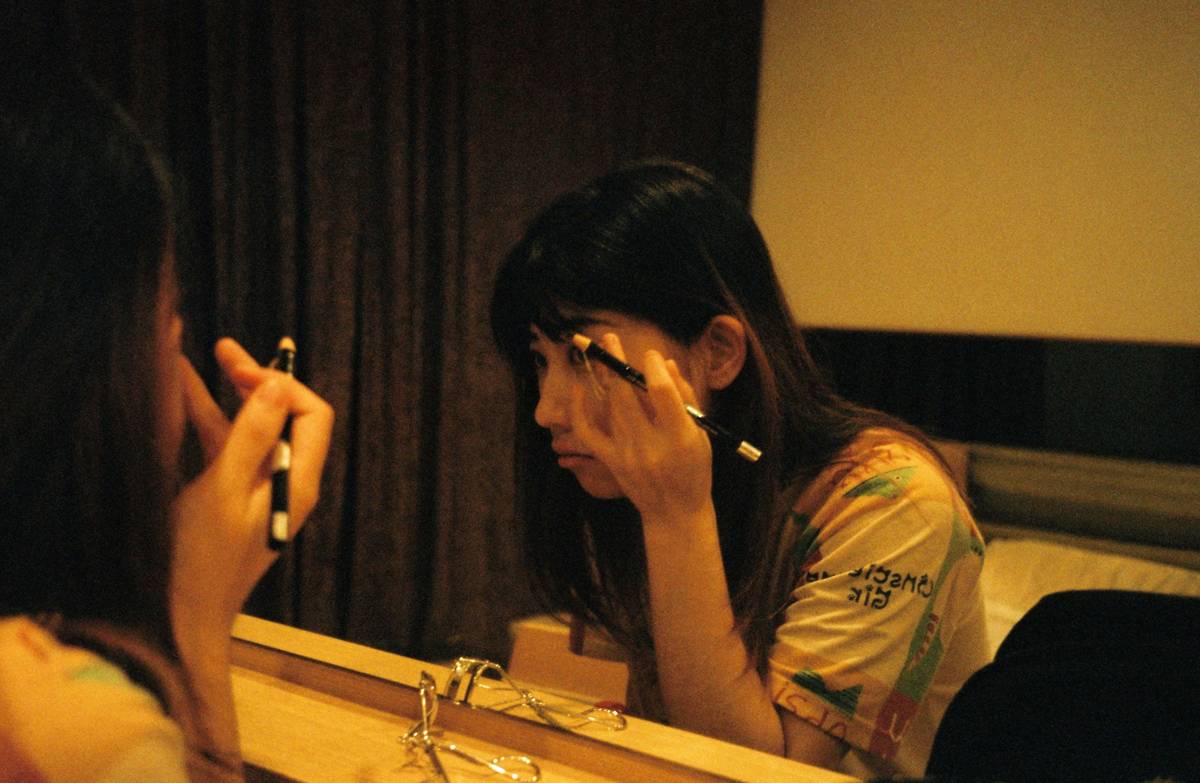
That whirrrr sound you hear? It’s your skin screaming while your laptop fan renders another flawless transition. And if you’re a makeup YouTuber churning out daily content, your face becomes both canvas and casualty.
Your Step-by-Step Social Media Makeup Routine That Doesn’t Sabotage Skin
Step 1: Prep Like Your Skin Depends on It (Because It Does)
Optimist You: “A 3-minute skincare sandwich locks in moisture before foundation!”
Grumpy You: “Ugh, fine—but only if that ‘sandwich’ includes caffeine serum. My pores aren’t paying rent for nothing.”
Before touching a single pigment:
– Cleanse with a pH-balanced gel (CeraVe Hydrating or Krave Big Clean)
– Apply a humectant-rich serum (look for sodium hyaluronate + glycerin)
– Seal with an occlusive-lite moisturizer (Belif Aqua Bomb or Youth to the People Superberry)
Step 2: Choose Camera-Safe Products—Not Just Viral Ones
That $34 highlighter dupe trending on TikTok? It likely contains bismuth oxychloride—a common irritant that shows up as white specks under studio lighting. Instead, opt for mica-based luminizers (Hourglass Ambient or RMS Living Luminizer).
For foundation, pick formulas labeled “hydrating” or “dewy,” even if your content leans glam. Brands like Kosas Revealer or Ilia Super Serum offer buildable coverage with hyaluronic acid baked in.
Step 3: Supplement Strategically—Not Haphazardly
Here’s where wellness meets wow factor. As a former supplement formulator (yes, really—I worked R&D at a clean beauty nutraceutical startup), I’ve seen firsthand what moves the needle:
- Hyaluronic Acid (oral): 120–240 mg/day boosts dermal hydration by up to 56% in 12 weeks (NCBI, 2014)
- Marine Collagen Peptides: Shown to improve skin elasticity in 8 weeks (double-blind, placebo-controlled trial)
- Zinc + Vitamin A: Cuts down on inflammatory acne triggered by pore-clogging makeup
Forget “drink more water”—your skin needs structural support from within when facing daily makeup marathons.
Pro Tips: What Top Makeup YouTubers Actually Do Behind the Scenes
Forget generic advice like “just moisturize.” Real creators rely on tactical hacks:
- Always blot—never powder excessively. Over-powdering creates flashback and accentuates texture. Use a Tatcha blotting paper instead.
- Swap setting spray for facial mists mid-shoot. Mario Dedivanovic spritzes Heritage Store Rosewater between takes to revive glow.
- Wash brushes after every use. Mikayla Nogueira shared she rotates 3 brush sets to avoid bacterial buildup during multi-day shoots.
- Take “skin rest days.” Even NikkieTutorials skips full face twice weekly—camera or not.
And whatever you do, avoid this terrible tip: “Use baking soda to exfoliate before filming.” Nope. It destroys your acid mantle. Hard pass.
Rant Section: My Pet Peeve?
When influencers push “clean beauty” but wear 7 synthetic silicones layered over compromised skin, then say “my secret is collagen gummies.” Girl, your secret is retouching—and maybe a dermatologist. Be honest about trade-offs. Your audience deserves transparency, not filtered fairy tales.
Real Creator Case Studies: From Breakouts to Blemish-Free Feeds
Case 1: Hyram Yarbro’s Glow-Up Protocol
After struggling with cystic acne during his early YouTube days, Hyram integrated oral zinc (30 mg/day) and reduced heavy foundation use. He now films with sheer tints and relies on strategic lighting + post-production color grading—not pancake layers.
Case 2: Meredith Duxbury’s Barrier Recovery
The queen of beat faces admitted on her podcast that constant makeup caused chronic redness. She now starts every morning with an oat-infused cleanser, applies ceramide cream, and takes a daily omega-3 supplement (1,000 mg EPA/DHA). Her secret? “My makeup looks better because my skin stopped fighting back.”
These aren’t anomalies—they’re evidence that sustainable social media makeup begins beneath the surface.
FAQs About Social Media Makeup + Wellness
Does social media makeup ruin your skin?
Not inherently—but high-pigment, matte, and long-wear formulas often contain drying alcohols and silicones that compromise the barrier with daily use. Pair them with robust skincare and supplements to mitigate damage.
What supplements help with camera-ready skin?
Evidence-backed options include hydrolyzed marine collagen (5–10 g/day), hyaluronic acid (120–240 mg), and omega-3 fatty acids. Always consult a healthcare provider before starting new supplements.
How do I make my makeup last on camera without caking?
Focus on hydration first. Use a damp beauty sponge, set only T-zone with translucent powder, and lock in with a glycerin-based setting spray (like MAC Fix+). Re-mist during long shoots.
Can I use regular makeup for social media?
Yes—but adjust for lighting. Test under your actual ring light or window. If it looks flat or shiny on camera, swap to a formula with subtle luminosity.
Conclusion
Social media makeup isn’t about perfection—it’s about intelligent adaptation. The most compelling creators aren’t those with the most filters, but those who honor their skin’s limits while playing with light, pigment, and perspective. Prioritize barrier health, supplement smartly, and remember: your real secret weapon isn’t that viral bronzer—it’s consistency, care, and knowing when to hit “off-camera.”
Like a Tamagotchi, your glow needs daily attention. Feed it well.
Morning light,
Phone flash, foundation blend—
Skin drinks collagen.