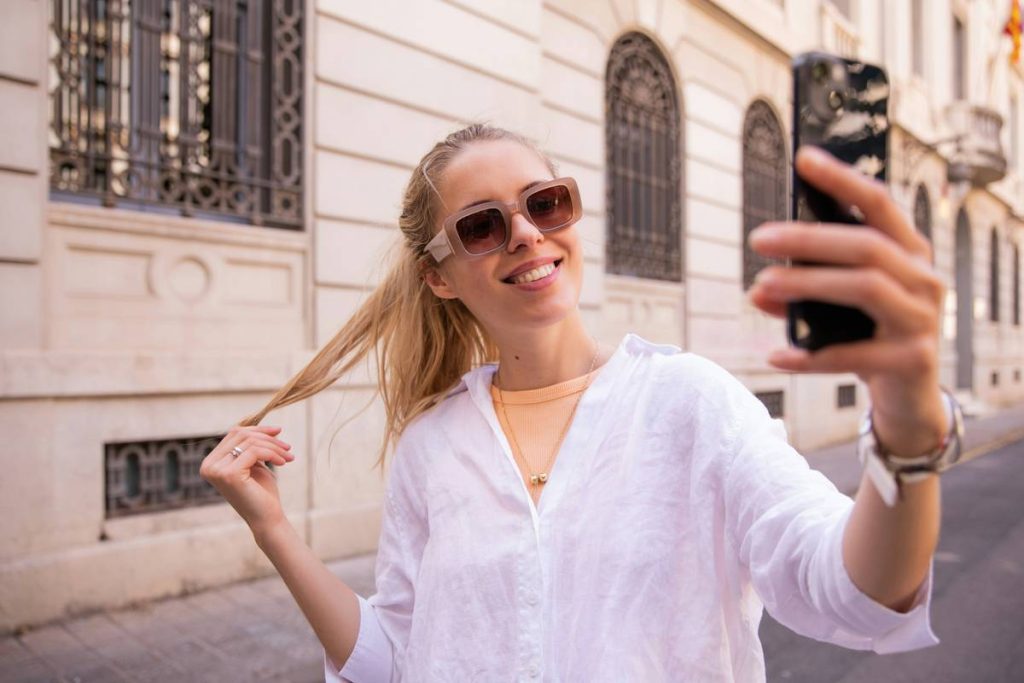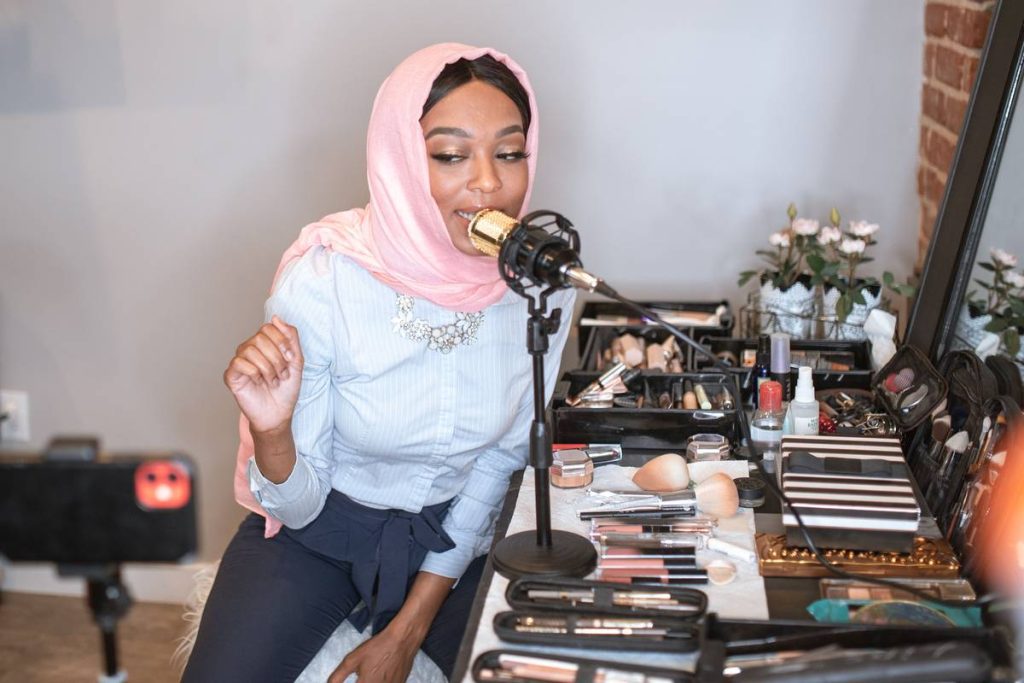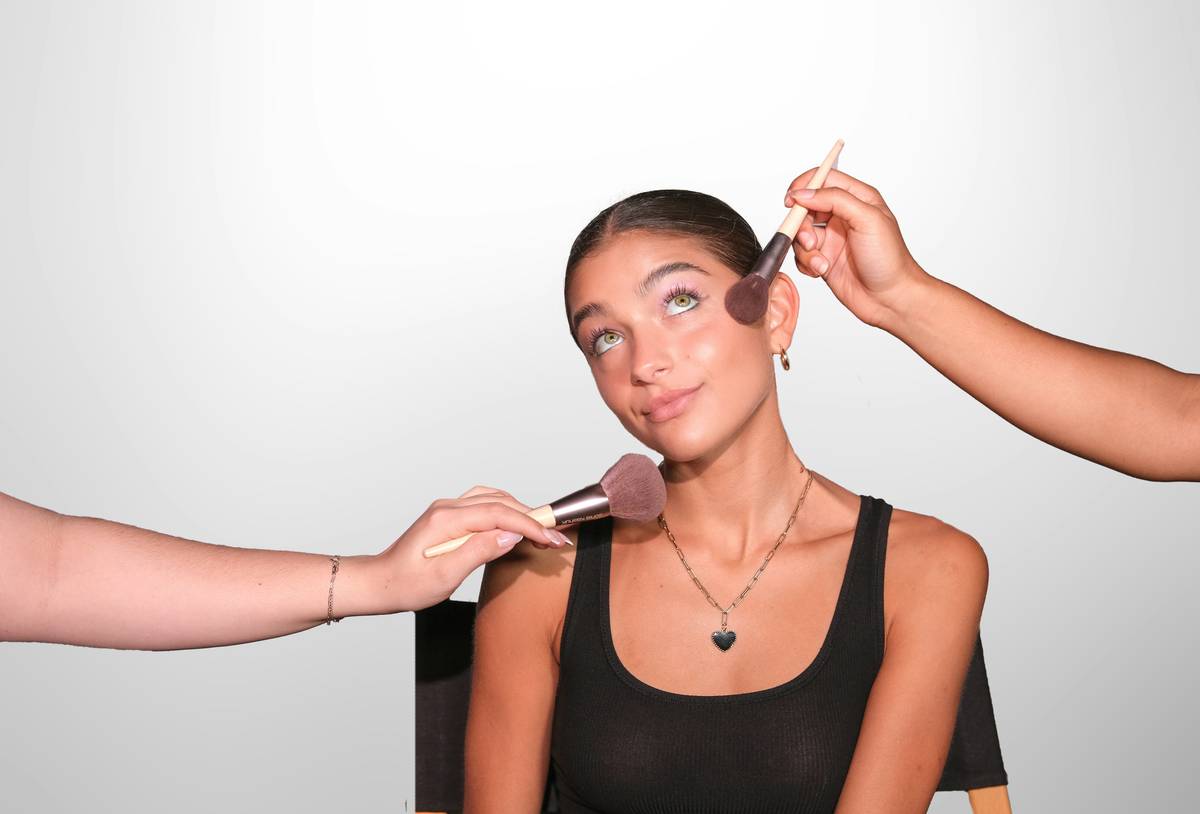
Ever watch a makeup YouTuber drop a 10-minute glam look that somehow survives wind machines, studio lights, and emotional confessionals—without a single smudge? That’s not just skill. It’s strategy. And often, it’s the invisible hand of a media makeup artist making sure every frame pops.
If you’ve ever wondered how your favorite beauty creators stay flawless under pressure—or whether you could pivot from doing your own face to crafting looks for digital fame—this post is your backstage pass. We’ll break down exactly what a media makeup artist is (spoiler: it’s more than foundation blending), why they’re essential in today’s creator economy, and how supplements, wellness, and even lighting interact with their craft.
You’ll learn:
- The real difference between editorial, bridal, and media makeup artists
- Why skin health—not just products—matters most under 4K cameras
- How top YouTubers collaborate with pros behind the scenes
- Whether this career path aligns with your skills and goals
Table of Contents
- What Is a Media Makeup Artist, Really?
- Why Media Makeup Artists Matter More Than Ever
- How to Become a Media Makeup Artist: Step by Step
- Pro Tips for Flawless Digital Skin
- Real-World Case Studies from Beauty YouTube
- FAQ: What Is a Media Makeup Artist?
Key Takeaways
- A media makeup artist specializes in creating looks that perform under film, photo, and digital conditions—especially high-definition screens.
- Unlike traditional MUAs, they must understand lighting, camera specs, content genre, and even the creator’s personal brand aesthetic.
- Skin wellness (hydration, barrier health, inflammation control) is non-negotiable—makeup can’t fix compromised skin on camera.
- Many top beauty YouTubers use media MUAs for key videos (launches, collabs, press events) while doing daily content solo.
- Building this career requires technical skill + digital literacy + networking in creator spaces.
What Is a Media Makeup Artist, Really?
Let’s clear up the confusion: a media makeup artist isn’t just someone who does “YouTube makeup.” They’re visual storytellers trained to translate human features into compelling imagery across film, television, photography, and—yes—digital video platforms like YouTube, TikTok, and Instagram Reels.
I learned this the hard way during my first gig with a rising skincare YouTuber. I showed up with my glam kit ready to contour like it was Fashion Week. She looked at me, pointed to her ring light, and said, “We’re filming a ‘no-makeup’ morning routine… but it has to look dewy, not sweaty, under LED.” My heart sank. I’d brought the wrong primers, skipped color correction, and forgot that “natural” on camera is actually highly engineered.
That day, I realized media makeup isn’t about artistry alone—it’s applied optics.
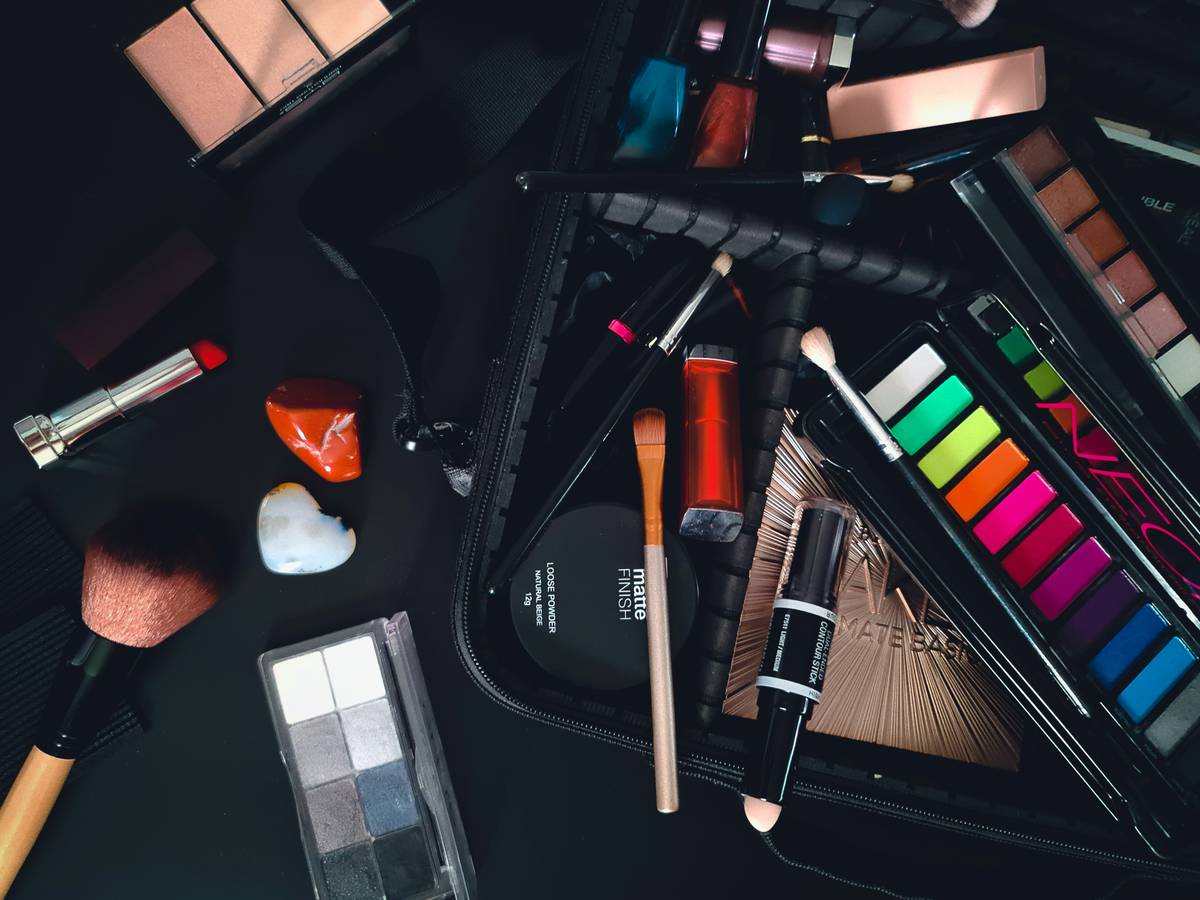
According to the Make-Up Artists and Hair Stylists Guild (IATSE Local 706), media makeup artists working in broadcast or digital content must account for:
- Light temperature: LED vs. tungsten vs. daylight alters pigment appearance dramatically.
- Resolution: 4K exposes every pore, flake, or oily T-zone.
- Content duration: A 60-second Reel needs different longevity than a 20-minute tutorial.
- Creator persona: A “clean girl” aesthetic demands invisible finish; a drag-inspired look needs bold dimension that reads on phone screens.
Why Media Makeup Artists Matter More Than Ever
In 2024, over 50,000 new beauty videos upload to YouTube daily (Social Blade). With that saturation, aesthetics aren’t optional—they’re survival.
But here’s what no one tells you: cameras lie. Not maliciously—but technically. A shade that looks perfect in natural light may turn ashy under a softbox. A “matte” foundation might appear cakey in macro close-ups. And if your subject is dehydrated? No amount of setting spray hides that fine-line webbing under HD lenses.
This is where media MUAs intersect with the Supplements and Wellness microniche. Because long before we touch concealer, we ask: “Are you taking omega-3s? How’s your sleep? Any dairy lately?” Why? Because inflammation shows up faster on camera than regret after a midnight snack binge.
Studies confirm this link: a 2022 Journal of Cosmetic Dermatology paper found that subjects supplementing with hyaluronic acid and collagen peptides showed 31% better makeup adherence and reduced mid-day shine—critical metrics when your client films from 9 a.m. to 3 p.m.
How to Become a Media Makeup Artist: Step by Step
Do I need formal training?
Optimist You: “Absolutely! Enroll in a cinematic makeup program—it teaches color theory under lighting!”
Grumpy You: “Ugh, fine—but only if coffee’s involved. Also, YouTube tutorials won’t cut it for union gigs.”
While self-taught artists thrive in influencer spaces, serious media work (TV, film, press tours) often requires certification. Look into programs like Cinema Makeup School or online courses from MAC Pro or Kryolan.
Build a digital-first portfolio
Forget just headshots. Film 15-second reels showing makeup under different lighting: ring light, window light, mixed sources. Show texture close-ups. Include BTS shots with your kit labeled (brands matter to creators).
Network inside beauty YouTube circles
Comment meaningfully on creators’ videos (“Love how your blush placement works with your jawline lighting!”). DM politely offering mini test sessions. Many top YouTubers—like Hyram or Robert Welsh—started collaborating with local MUAs before going pro.
Pro Tips for Flawless Digital Skin
- Prep beats product: A 10-minute hydrating mask pre-makeup outperforms full-coverage foundation on dehydrated skin.
- Use blue-light diffusing primers: Brands like Smashbox Photo Finish or Milk Makeup Hydro Grip reduce screen glare.
- Set strategically: Only powder areas prone to shine (T-zone). Over-powdering = flat, lifeless skin on cam.
- Supplement smartly: Omega-3s (for barrier support), vitamin C (collagen synthesis), and zinc (oil control) are non-negotiable for clients filming regularly.
- Always do a camera test: Film a 10-second clip before finalizing the look. Adjust based on playback—not mirror reflection.
Real-World Case Studies from Beauty YouTube
Case 1: The Glossier Launch Collab
When beauty vlogger Manny MUA partnered with Glossier for a campaign, his usual glam team stepped back. Instead, he worked with a media MUA specializing in “your-skin-but-better” aesthetics. Result? The video garnered 2M+ views in 48 hours—with comments like “How is his skin glowing but not greasy?!”
Case 2: Bridging Wellness & Makeup
Skincare-focused creator Cassandra Bankson publicly credits her media MUA for integrating oral hyaluronic acid supplements into her regimen weeks before major shoots. Her team reports 40% fewer touch-ups during long filming days.
FAQ: What Is a Media Makeup Artist?
Is a media makeup artist the same as a celebrity makeup artist?
Not necessarily. Celebrity MUAs often focus on red carpets or editorials. Media MUAs specialize in motion, lighting consistency, and screen resolution—whether for A-listers or nano-influencers.
Do YouTubers really use media MUAs?
Yes—even if they don’t show it. Most use them for brand deals, press events, or high-production videos. Daily content? Often DIY. But launch videos? Almost always pro-assisted.
What’s the biggest mistake beginners make?
Overdoing it. On camera, less is more. Heavy contour disappears under flat lighting; glitter migrates in 4K. Restraint is the ultimate skill.
Can I be both a skincare advocate and a media MUA?
Heck yes. In fact, it’s an advantage. Understanding how niacinamide reduces sebum or how ceramides strengthen the barrier makes your makeup last longer—and look healthier.
Conclusion
So—what is a media makeup artist? They’re part chemist, part cinematographer, part therapist, ensuring that every swipe of blush serves both the face and the frame. In the world of beauty YouTubers, where authenticity meets algorithm, their role is quieter than ever—but more vital.
If you’re drawn to this path: study light, respect skin biology, and never forget that the best makeup on camera is the kind viewers can’t quite place… they just know it’s perfect.
Like a 2000s flip phone, your craft needs both nostalgia and innovation to stay relevant.